
Employee advocacy does not fail because employees are disengaged. It fails because the program was never built to last beyond the first 30 days.
Most B2B teams design a strong launch and nothing after it. A kickoff meeting. A Slack announcement. A first week of posts. Then the structure disappears and participation quietly drops while the program manager sends reminders that nobody responds to.
The employee advocacy challenges that cause this are not motivation problems. Almost none of them are. They are system problems — gaps in program design that surface in a predictable sequence, from the first week of activation through the first quarter of sustaining.
This article covers 11 employee advocacy challenges. Each one comes with a root cause and a specific fix.
Why Employee Advocacy Programs Struggle to Sustain Momentum
The challenges of employee advocacy are rarely about unwilling employees. They are about programs built without the infrastructure to sustain participation beyond the launch week.
Understanding why advocacy programs stall is the first step to building one that does not.
1. Programs Are Designed to Launch, Not to Last
The average B2B employee advocacy program is built around an announcement event. There is energy at launch. There is no system after it.
Hinge Research found that high-growth firms are more than twice as likely to have a formal, structured advocacy program — not an ad hoc one. The difference between a LinkedIn employee advocacy program that compounds and one that collapses is whether a repeatable system exists after the kickoff meeting ends.
2. Program Participation Is Assumed, Not Designed
Sending an invite is not program design. Sustained adoption of advocacy programs requires a defined posting cadence, a content starting point, a feedback loop, and a visible reason for employees to keep showing up after initial enthusiasm fades. Most B2B teams skip all those layers and wonder why participation stalls in week three.
3. The Wrong Problem Gets Diagnosed
Low participation rate is a symptom. The root cause is upstream — in the enablement layer that was never built, the content system that was never designed, or the employee advocacy ROI framework that was never aligned to what leadership needs to see.
Fixing the symptom is why the same program gets relaunched every quarter with the same result.
11 Employee Advocacy Challenges and How to Overcome Them
These 11 employee advocacy program challenges appear in the order most B2B program managers encounter them. Some are common across every organization. Others are less obvious but equally damaging to long-term program adoption.
Each one comes with a root cause diagnosis and a fix that addresses the structural gap — not the symptom.
1. Employees Never Know What to Post
Ask any program manager what their biggest headache is three weeks into launch. It is not tool adoption. It is not a budget. It is employees opening LinkedIn, staring at a blank screen, and closing the tab without posting anything.
Why This Happens
Most advocacy programs are activated without a content structure. Employees are told to post but never told what to post about, how often, or from what angle. Hinge Research Institute found that nearly 75% of employees received no guidance on how to engage professionally on social networks before being enrolled in an advocacy program. The expertise exists. The bridge to a published post does not.
How to Fix It
The teams that solve this fastest remove the blank page before the program asks the employee for anything. Give every participant a content lane before the program goes live — a topic territory tied to what they actually do every day.
-
A sales rep owns pipeline lessons and objection handling
-
A customer success manager owns retention stories and client outcomes
-
A product lead owns roadmap thinking and market observations
One week before launch, send each participant a topic brief with three to five angles they can credibly post about. Run a single 30-minute session where they draft their first post together. They enter the program with content in hand — not a blank screen.
Supergrow's PostCast and AI interview feature removes this gap entirely. Employees talk through their expertise for 15 minutes and walk away with three to five draft posts in their own voice — ready to publish before the first challenge week begins.
With Supergrow, give your team a content starting point.
2. Writing Friction Kills Participation Before It Starts
Employees know what they want to say. They sit down to write it. 20 minutes pass. The draft goes nowhere.
They close the tab and tell themselves they will do it tomorrow. Tomorrow becomes next week. Next week becomes never.
Why This Happens
Writing for LinkedIn requires a different skill set than writing emails or internal docs — a hook, a clear point of view, and a structure that holds attention past the first line. When posting feels effortful and uncertain, it loses to every other item on a full calendar.
The same Hinge study found that the most requested training topic among employees was how to create engaging social content — not how to find content to share. Employees want to write. Most programs never show them how.
How to Fix It
This is a solvable problem that does not require a significant training investment.
Before the program goes live:
-
Run a single 30-minute hook writing session.
-
Teach employees one framework — problem, perspective, takeaway.
-
Give them a first draft template for their content lane.
The goal is to make the first post feel achievable, not polished.
Supergrow's PostCast converts spoken thoughts into a structured LinkedIn draft. Employees record a voice note or join a short session. The draft is generated in their own voice. The writing step is removed from the process entirely.
Cut writing friction for your whole team with Suerogrow – get started today.
3. No Social Media Guidelines Means Nobody Posts
When employees are unsure what they are allowed to say on LinkedIn, they say nothing. Silence feels safer than the risk of posting something that gets flagged internally or lands badly with a client.
The advocacy program loses participation not because employees are unwilling, but because the guardrails were never defined.
Why This Happens
Most B2B teams launch an advocacy program before defining what employee participation actually looks like in practice. There is no framework that covers which topics are encouraged, what is off-limits, how to handle competitor mentions, or what to do if a post generates unexpected attention.
Tribal Impact's 2026 resource puts it directly: employees are often scared to mention their employer for fear of doing something wrong. Without that clarity, self-censorship becomes the biggest blocker to the program's adoption.
How to Fix It
Publish a one-page social media framework before the program goes live. Keep it practical — not legal. Cover four things:
-
Topics employees are actively encouraged to post about
-
What is off-limits — confidential data, legal matters, unreleased products
-
How to handle a post that attracts negative or unexpected attention
-
Who to contact internally if they are unsure before posting
One page. Plain language. Shared at onboarding and pinned in the advocacy Slack channel. The goal is not to police participation. It is to make posting feel safe enough to start.
4. Leadership Opts Out and the Program Loses Credibility
When executives endorse the advocacy program in the kickoff meeting and then go quiet on LinkedIn, the signal travels fast. Employees do not need a memo to understand what just happened. The program is optional for the people who matter. Participation drops within weeks.
Why This Happens
Most advocacy programs enroll employees, but not executives. There is no dedicated leadership track, no expectation of a posting cadence for senior team members, and no accountability mechanism above a certain level of seniority. The program unintentionally creates a two-tier system.
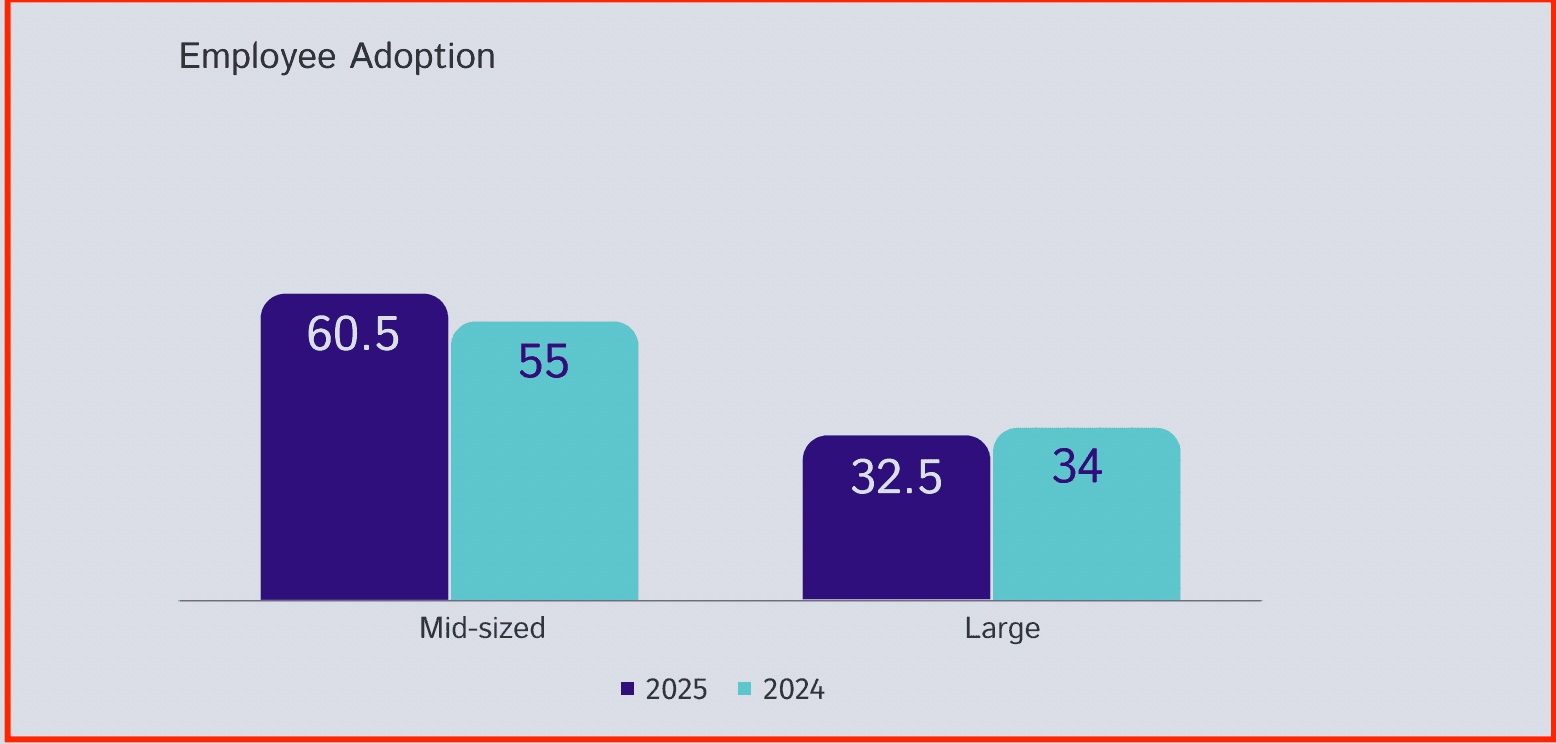
Sociuu's 2025 Benchmarks — based on 100 programs covering 100,000 users — found that engagement levels are significantly higher in organizations where top management demonstrates visible commitment. Visible. Not just verbal.
How to Fix It
What I have seen work consistently is making leadership participation impossible to ignore.
Create a dedicated leadership track with its own posting cadence and leaderboard segment. One original LinkedIn post per week is a visible and achievable starting threshold for any executive.
Share leadership posts in the weekly Slack update. Announce their consistency at every all-hands. When employees see leadership in the program — not above it — adoption of the advocacy program across the rest of the team follows naturally.
5. Generic Content Gets Ignored on LinkedIn
Employees share a pre-written company post. The copy is polished. The message is on-brand. The engagement is near zero. Nobody comments. The post disappears into the feed within two hours. The program manager logs another share in the activity report and moves on.
Why This Happens
Most B2B advocacy programs are built around content distribution — not content creation. Employees share pre-approved posts because it feels safer than asking them to write original content. The result is posts that read like press releases on personal LinkedIn profiles. B2B buyers spot the difference immediately.
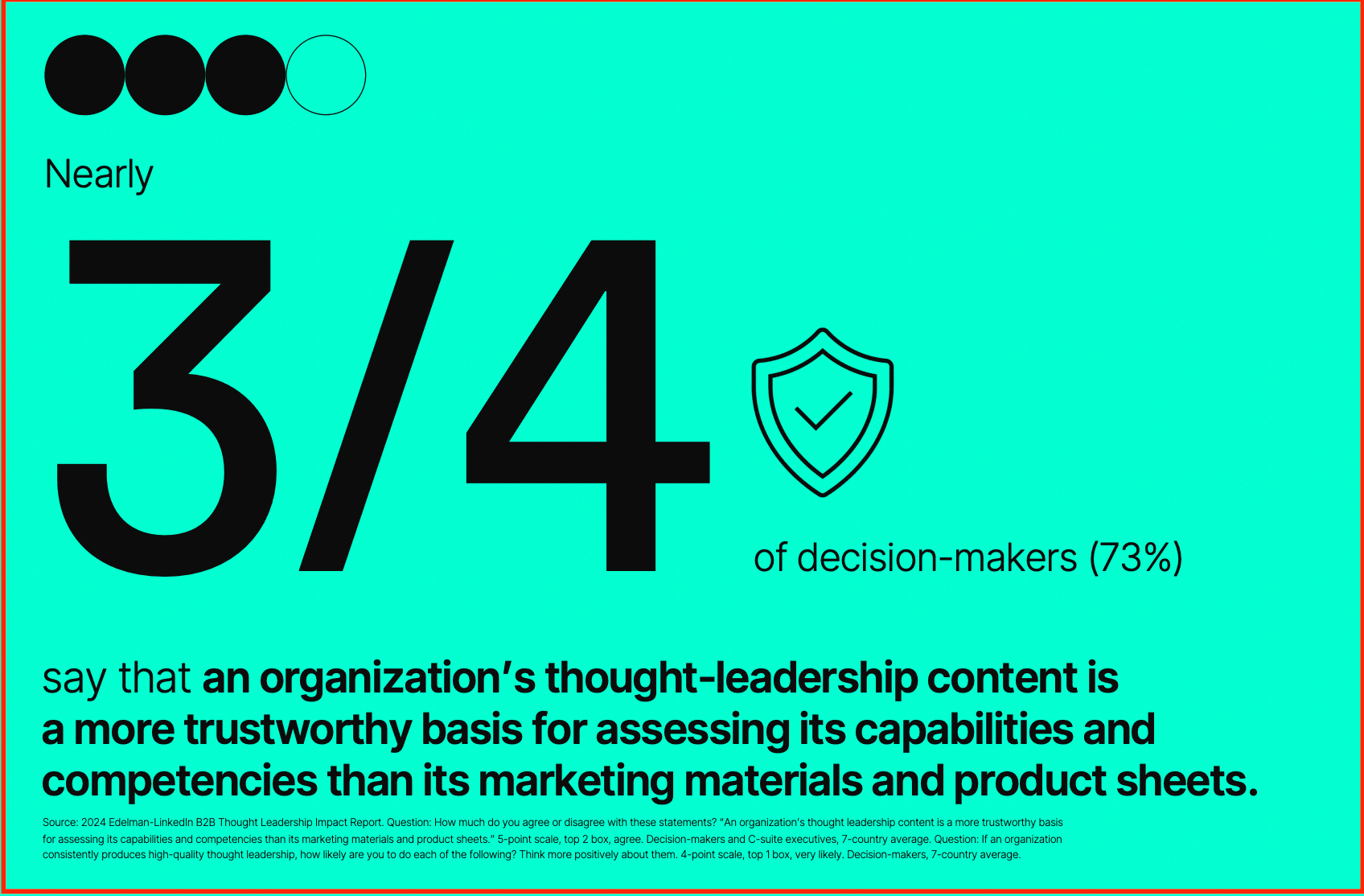
The Edelman B2B Thought Leadership Impact Study found that 73% of decision-makers consider thought leadership a more trustworthy basis for assessing a company's capabilities than its marketing materials. The employee's perspective is the asset. The pre-written brand post is not.
How to Fix It
Distribution-led advocacy produces activity data. Creation-led advocacy produces a pipeline. Give every employee a voice profile before they are asked to post — built around three things:
-
Their content lane — topic territory tied to their role
-
Their tone — how they communicate with clients and peers
-
Their point of view — one or two opinions they hold about their industry
Then train employees to add one personal observation before any post goes live:
-
Replace "We're excited to announce X" with "Here's what this means for our customers"
-
Replace a reshared link with one insight and their take on it
-
Replace company news with a behind-the-scenes detail only they would know
Supergrow's Content DNA builds a unique voice profile for each team member — tone, vocabulary, content pillars, and positioning. Content sounds like them, not a corporate template.
With Supergrow, build an authentic voice at scale across your team.
6. Mandatory Participation Destroys Content Quality
The program launches with a company-wide mandate. Every employee is expected to post on LinkedIn once a week. The activity report shows posts going live.
The engagement report shows near-zero interaction. The content looks like it was written under obligation — because it was.
Why This Happens
When advocacy feels compulsory, employees share the minimum required with no personal perspective. The intrinsic motivation — wanting to build a personal brand and share genuine expertise — was never activated. Extrinsic pressure replaced it entirely.
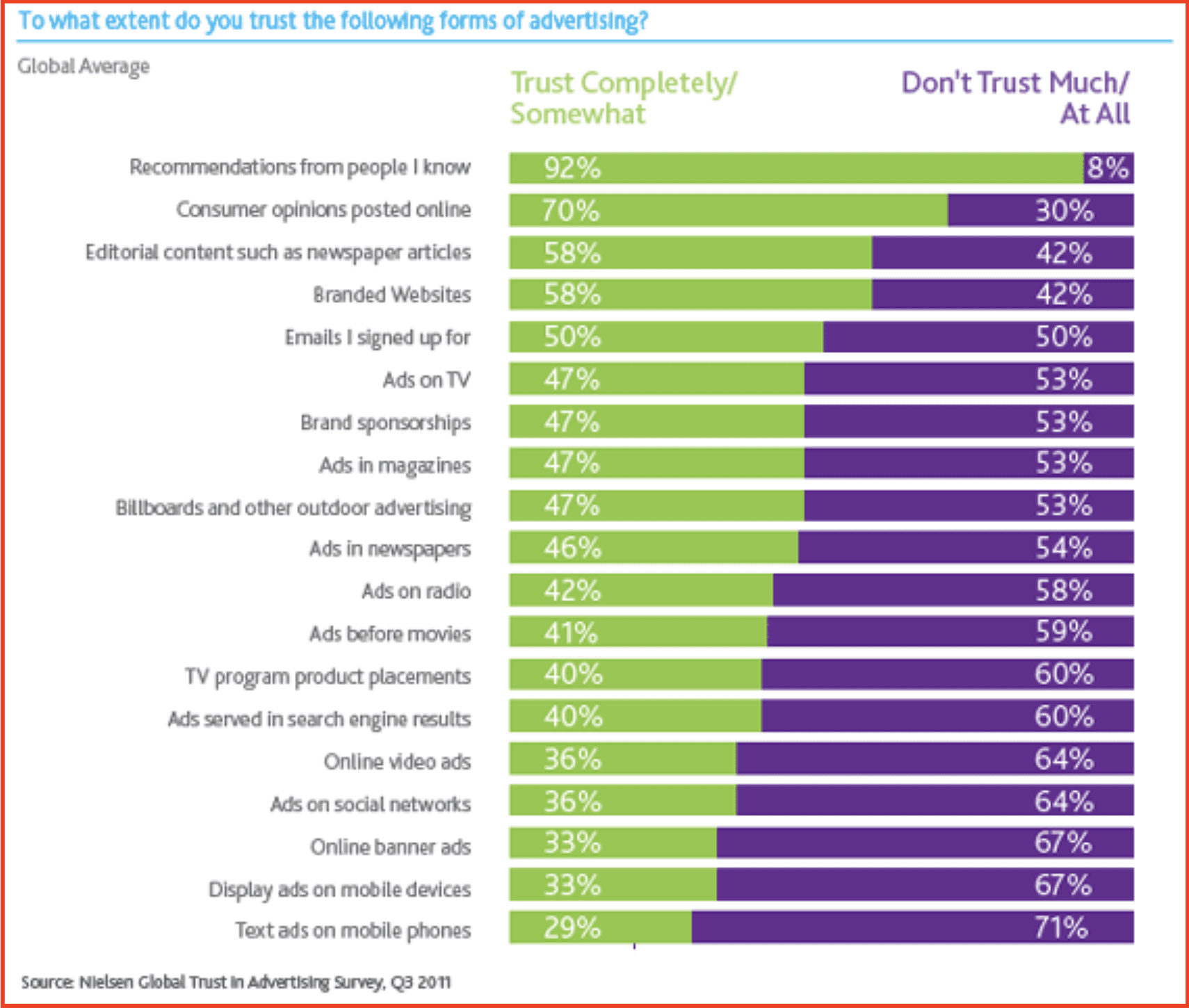
Nielsen study found 92% of consumers trust peer recommendations over any form of advertising. Mandatory, hollow content is not a peer recommendation. It reads as advertising. It performs like advertising.
How to Fix It
Make participation voluntary — and communicate that clearly before the program goes live. The personal benefit has to come first.
Employees participate consistently when they understand that LinkedIn posts build their professional credibility and position them as subject-matter experts in their field.
The best programs are voluntary and value-driven. Employees participate because advocacy builds their personal brand — not because HR said so.
-
Lead onboarding with the employee benefit — career visibility, personal brand growth, industry credibility
-
Let employees opt in publicly and opt out without consequence
-
Recognize willing participants visibly — not just top performers
The posts from ten willing participants will always outperform the posts from fifty reluctant ones.
7. Program Runs Like a Campaign Not a System
The kickoff meeting goes well. A handful of employees post in week one. The Slack channel is active. Then week three arrives, and the energy has quietly disappeared.
No structure took over when the launch momentum faded. The program manager is back to sending reminders that get ignored.
Why This Happens
Most B2B advocacy programs are designed around a launch event — not a repeatable operating rhythm. There is a start date, but no weekly cadence, no content replenishment system, and no accountability mechanism to sustain participation once the novelty wears off.
Business Research Insights Report found that participation rates decline by 20 to 30% over time in programs without structured incentives and consistent management. That decline happens gradually — one missed week at a time.
How to Fix It
A new challenge or a bigger prize will not fix this. What works is building a weekly operating rhythm before the program launches — and treating it like any other repeatable business process.
Storyarb's 8-week Own the Internet contest ran eight different minigames with rotating content angles, juice captains driving participation, and clear weekly winners.
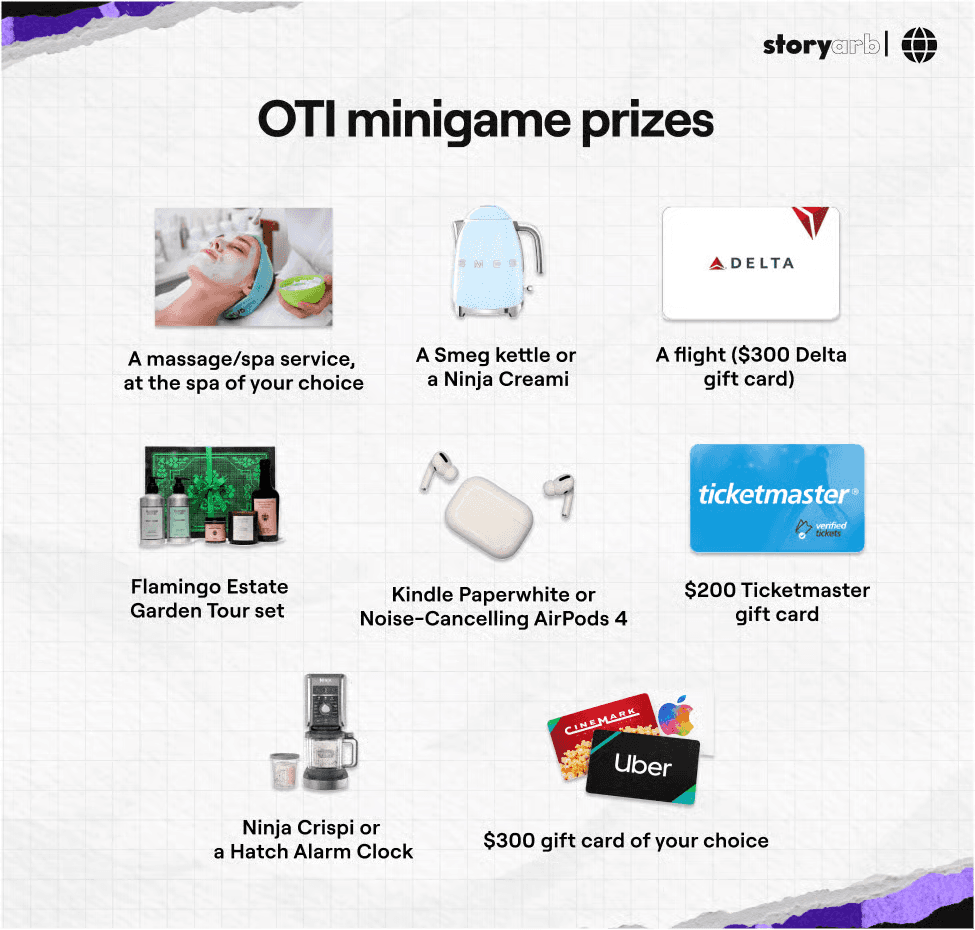
Every week had a fresh reason to show up. The program was re-energized by design — not by motivation.
For most B2B teams, the weekly rhythm looks like this:
-
Monday: fresh content angles distributed to all participants
-
Wednesday: mid-week check-in on posting activity in Slack
-
Friday: top post of the week shared publicly with a breakdown of why it worked
That three-touch cadence is what turns a campaign into a system.
8. Content Ideas Run Dry Within Weeks
Employees start strong. A recent client win. A lesson from a customer call. A perspective on something shifting in their industry.
By week 4, the well is empty. Posting frequency drops. The program fades without anyone formally ending it.
Why This Happens
Most programs launch with a content brief and never refresh it. Employees are expected to generate their own topics indefinitely — and that works for the two or three natural LinkedIn creators on any team. For everyone else, running out of angles is not a creativity problem. It is a program infrastructure gap.
The 2024 Edelman-LinkedIn B2B Thought Leadership Impact Report found that, despite thought leadership's clear commercial impact, most organizations report that it is under-resourced and not sustained effectively. The content supply problem is not unique to advocacy programs.
How to Fix It
The fix is not asking employees to generate more ideas. It is building an idea distribution system that puts fresh content angles into their workspace every week — before they run out.
Program managers need a central place to create content topics, tag them by theme or campaign, and push them directly to team members. The idea generation burden moves from the employee to the program manager — where it belongs.
Supergrow's Content Library is built exactly for this.
Admins create content templates — a topic brief, a prompt, a starting angle — and distribute them across every team member's workspace at once. Members adapt in their own voice before publishing. The blank screen problem is solved before the employee ever opens a draft.
With the Superogrow employee advocacy platform, keep your team's content pipeline full.
9. Advocacy Never Leaves the Marketing Department
The program launches. Marketing participates. A few weeks in, the program manager looks at the activity report and realizes the same six people are posting.
All from marketing. Sales, customer success, product, and technical teams were invited. None of them showed up.
The program was never designed for them.
Why This Happens
Marketing owns the program because marketing owns brand visibility. Other functions were never shown the commercial benefit relevant to their role. Without a function-specific case for participation, advocacy stays a marketing initiative — permanently.
LinkedIn's Official Guide to Employee Advocacy found that employee-generated traffic converts at 2.5x the rate of brand-generated traffic — and individual employees each generated more than $100,000 in tracked sales at one program. That outcome requires cross-functional participation. Marketing posting alone cannot produce it.
How to Fix It
Run department-specific activation sessions before expanding beyond marketing. Each function needs its own why — not the company's why.
-
Sales: LinkedIn posting builds trust that shortens sales cycles
-
Customer success: thought leadership strengthens client relationships before renewals
-
Product: consistent posting attracts candidates who already know the team's thinking
-
Technical teams: sharing expertise builds credibility with buyers who vet solutions
One conversation per department. One specific outcome per function. That is what turns advocacy from a marketing program into a company behavior.
10. ROI Cannot Be Proven to Leadership
The advocacy program has been running for a quarter. Leadership asks for results. The program manager shares impression counts and the total number of posts published.
Leadership asks about pipeline influence and cost per lead. The data does not answer those questions. Budget gets cut.
Why This Happens
Most advocacy programs are measured with the wrong metrics from day one. Impressions and post counts measure effort — not commercial impact.
Leadership thinks in pipeline, cost efficiency, and revenue.
When the measurement framework is not aligned to those outcomes before launch, the ROI conversation always ends the same way.
HubSpot's 2026 Social Media Marketing Report — surveying 1,100+ global marketers — found that 41% of B2B marketers say it is hard to tie social activity to business outcomes. And 69% of social teams are under increasing pressure to prove ROI.
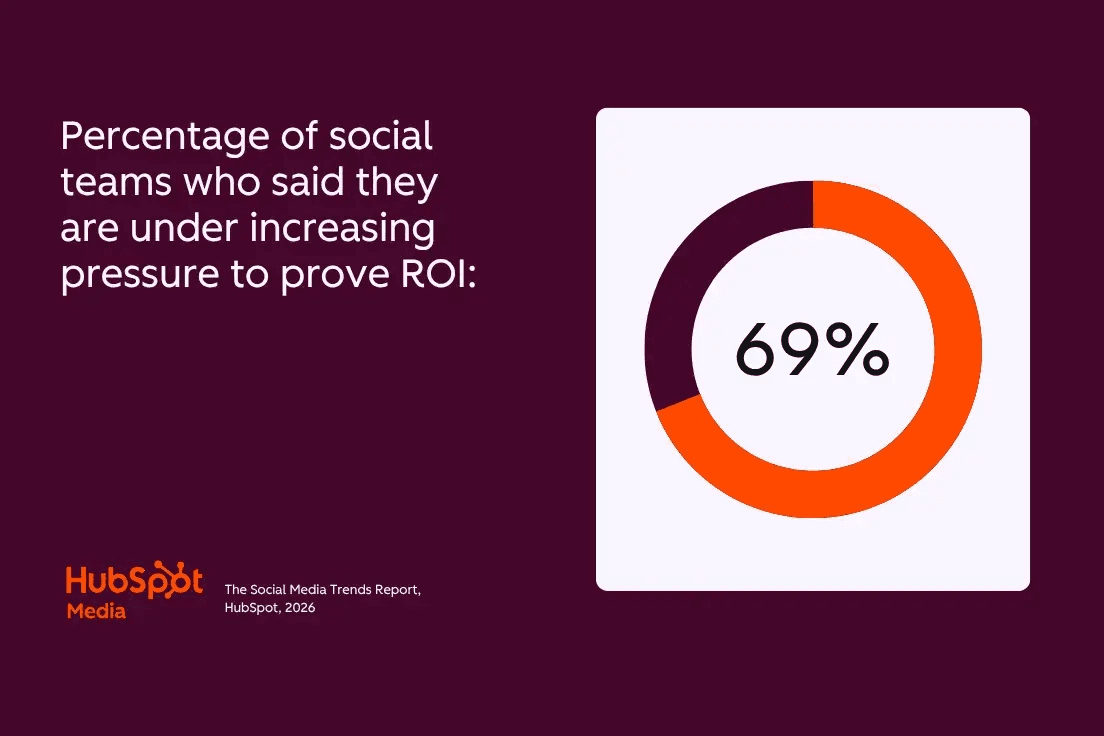
The data problem starts with the wrong metrics being tracked.
How to Fix It
Define ROI metrics before the program launches. Track what leadership actually needs:
-
Participation rate — percentage of enrolled employees posting weekly
-
Content-influenced pipeline — deals where a prospect engaged with employee content before converting
-
Cost per qualified lead versus paid LinkedIn benchmarks
-
Earned media value — impressions against equivalent paid reach
Supergrow's team analytics dashboard turns this into a two-minute task.
Every Monday, an auto-generated report lands in Slack or email — a team summary, the top-performing post, and member-level posting data. Leadership gets a live link or one-click PDF export. No manual formatting.
Build your employee advocacy program on Supergrow to make ROI reporting automatic for your team.
11. No Feedback Loop After the Challenge Ends
The challenge closes. The leaderboard disappears. Employees receive no breakdown of what worked, no content angle for next week, no recognition for improvement.
The program manager moves on to planning the next challenge. Employees return to not posting. Three months later, the cycle starts again from zero.
Why This Happens
The challenge was treated as the program. When it ended, so did the structure. There was no mechanism to convert a time-bound competition into a sustained posting habit.
Almost no one designs what happens the week after it ends. That gap is where advocacy programs lose everything they built.
How to Fix It
Build a four-part coaching report into every challenge cycle — delivered the week it closes and every week the program runs:
-
Top post of the week with a specific breakdown — hook format, topic angle, early engagement signal
-
One content angle the team can test the following week
-
A public shoutout for most improved — not just the top performer
-
A flag on anyone whose posting cadence drops so a program manager can reach them before they disengage
Storyarb's documented #OTI challenge ran weekly leaderboard reviews inside the all-hands throughout the full ten weeks. L&D sessions on hook writing and content pillars ran alongside the competition.
Mini-competitions rewarded specific weekly behaviors — not total impressions. The result: 7M impressions, a 55% lift in website sessions, and sales prospects citing the challenge in demos months after it closed.
Start Your Employee Advocacy Program the Right Way
None of these challenges are unique to your team. Every B2B program manager running an employee advocacy program has hit most of them. The ones that compound are not the ones with bigger budgets or more enthusiastic employees. They are the ones built on a system — with the right enablement before launch, the right cadence during execution, and the right feedback loop closing every cycle.
The program does not have to be perfect on day one. It has to be designed to improve every week.
That is exactly what Supergrow is built for — providing B2B marketing teams with the infrastructure to launch, run, and scale an employee advocacy program that sustains participation, drives consistent posting on LinkedIn, and delivers results that leadership can see.
Start your employee advocacy program with Supergrow – Sign up for Free.