
You run advocacy for a team of leaders, and the ones who matter most have never posted on LinkedIn. Their profiles are empty. You send drafts. Nothing goes live.
I hear the same worry again and again. If a leader has never posted, anything you publish for them feels like it is coming out of nowhere, operating in a vacuum, disconnected from a real person. So the drafts pile up, and the profile stays quiet.
That silence is normal. On LinkedIn, only about 1% of users actively post. Your executive is the rule, not the exception.
But here's what I keep coming back to: a blank profile doesn't mean someone has nothing to say. It's a voice nobody has captured yet.
Why Won't Your Executives Post on LinkedIn?
When a leader has never posted, the reason is usually one of a few, and naming the right one decides everything you do next.
No raw material. A blank profile gives you no past posts, no voice to model, no starting point. There's nothing to react to and nothing to build from, so the whole thing feels like a dead end before it begins.
No time to write. Most leaders who don't post aren't refusing. They know they should, they even want to, and as one advocacy manager put it, it's just a matter of time they never seem to find. So the task never rises above everything else on the calendar, the blank editor stays open, and nothing gets typed.
Fear of looking cringe. This is the one nobody says out loud. Posting under your own name, in front of peers and your own team, feels exposing. Even confident leaders quietly worry about the judgment, and silence feels safer than a post that might land wrong.
Distrust of the output. When a leader has never posted, anything produced for them risks sounding manufactured, like the marketing team wearing their name. The fear is that everyone gets the same drafts and it all sounds like a churn of the same thing. That is what makes a leader kill a draft they would otherwise approve.
No room to get it wrong. In regulated or brand-sensitive companies, there is a fifth block on top of the rest. Leaders can't talk about certain topics at all, and one wrong line carries real risk. Without clear guardrails, staying silent feels like the safer option.
Most of the leaders you're trying to activate are stuck on one or two of these, not all of them. Figure out which, and the rest of this guide tells you exactly what to do about it.
If you're still standing up the program itself, start by learning how to launch it.
How to Activate Executives Who Have Never Posted on LinkedIn
The mistake is trying to make them write. A leader who has never posted doesn't need a blank editor and a deadline; they need someone to capture the voice they already use every day, in meetings, on calls, in the way they explain things, and turn it into posts they're glad to put their name on.
What follows are 8 ways to do that, and you won't need all of them, just the ones that fit the leader in front of you.
1. Seed Their Voice From What They've Already Written
A blank profile is not a blank person. The leader who has never posted has still written plenty, just not on LinkedIn. Board updates, a keynote script, internal memos, the long thoughtful reply they sent a customer last week. That writing already sounds like them, and it is the fastest way to model their voice before a single post exists.
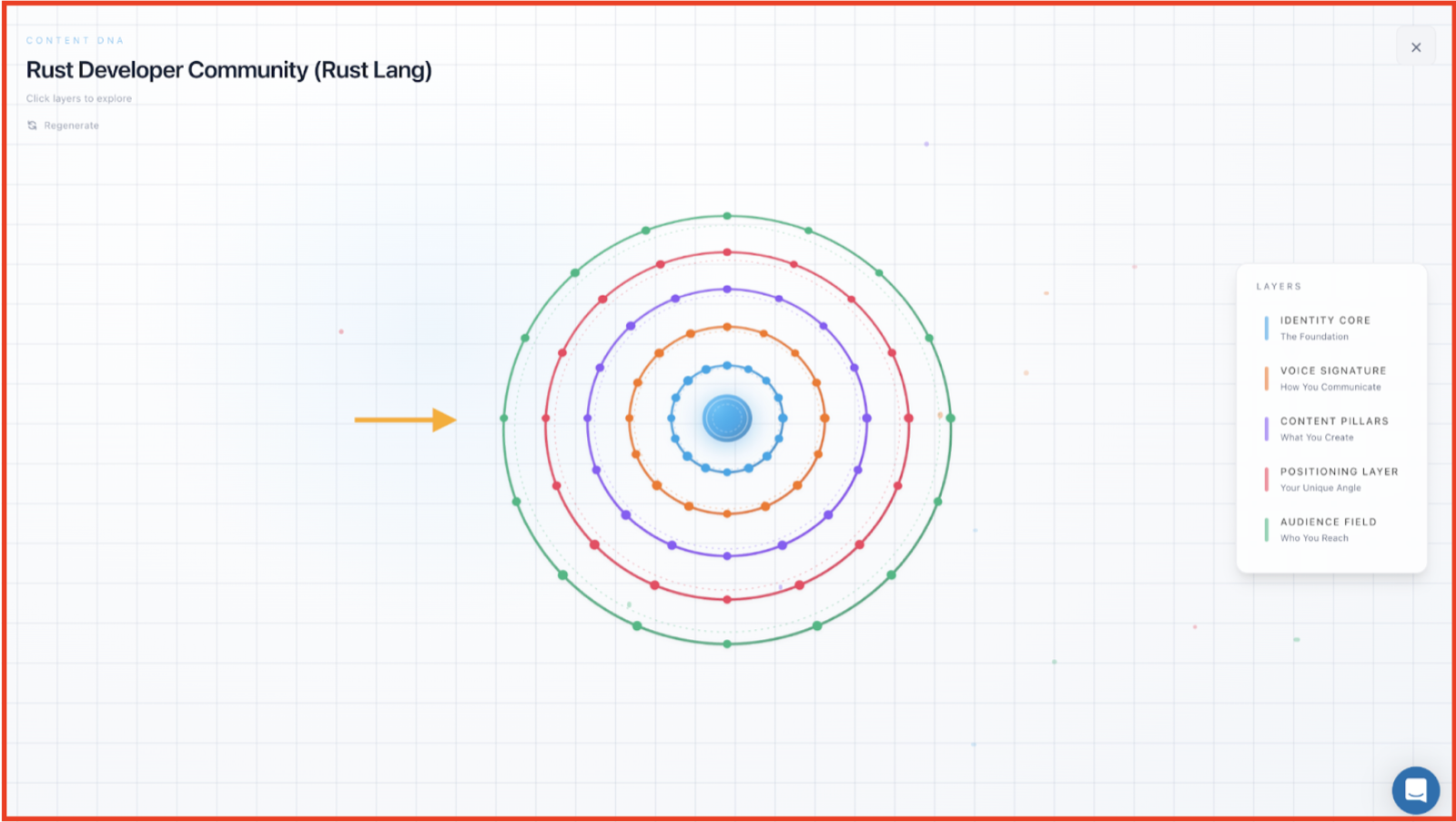
So gather it first. Inside Supergrow, Content DNA builds the foundation in five layers: their identity, tone, content pillars, positioning, and audience. For a leader with no posting history, you don't wait for the profile to fill up; an admin can build that DNA from a short interview or a template before the leader is even invited.
When you want tighter control of the sound, Content Writing Style learns from pasted samples of their own writing, so drafts come back in their cadence instead of reading like the same generic release every leader gets.
The point is what it removes. You are no longer asking a reluctant leader to produce something from nothing. You are handing back the voice they already have, in a form their network can finally see.
2. Pull Their First Post Out Of A 15-Minute Conversation
Here's the thing I've watched play out over and over: a leader who will not write a post will happily talk for fifteen minutes about the work. Talking through what they know is what they already do all day, in meetings, on calls, with their team. The writing is the wall. The talking never was.
So stop handing them a blank editor and hand them a conversation instead.
This is where the Supergrow employee advocacy platform changes the shape of the problem. You set up a Guided Interview with PostCast and push it straight to the leader, who joins a session with an AI host named Alex, answers a few questions out loud, and never has to write a word or even log in, since you can share it as a public link.
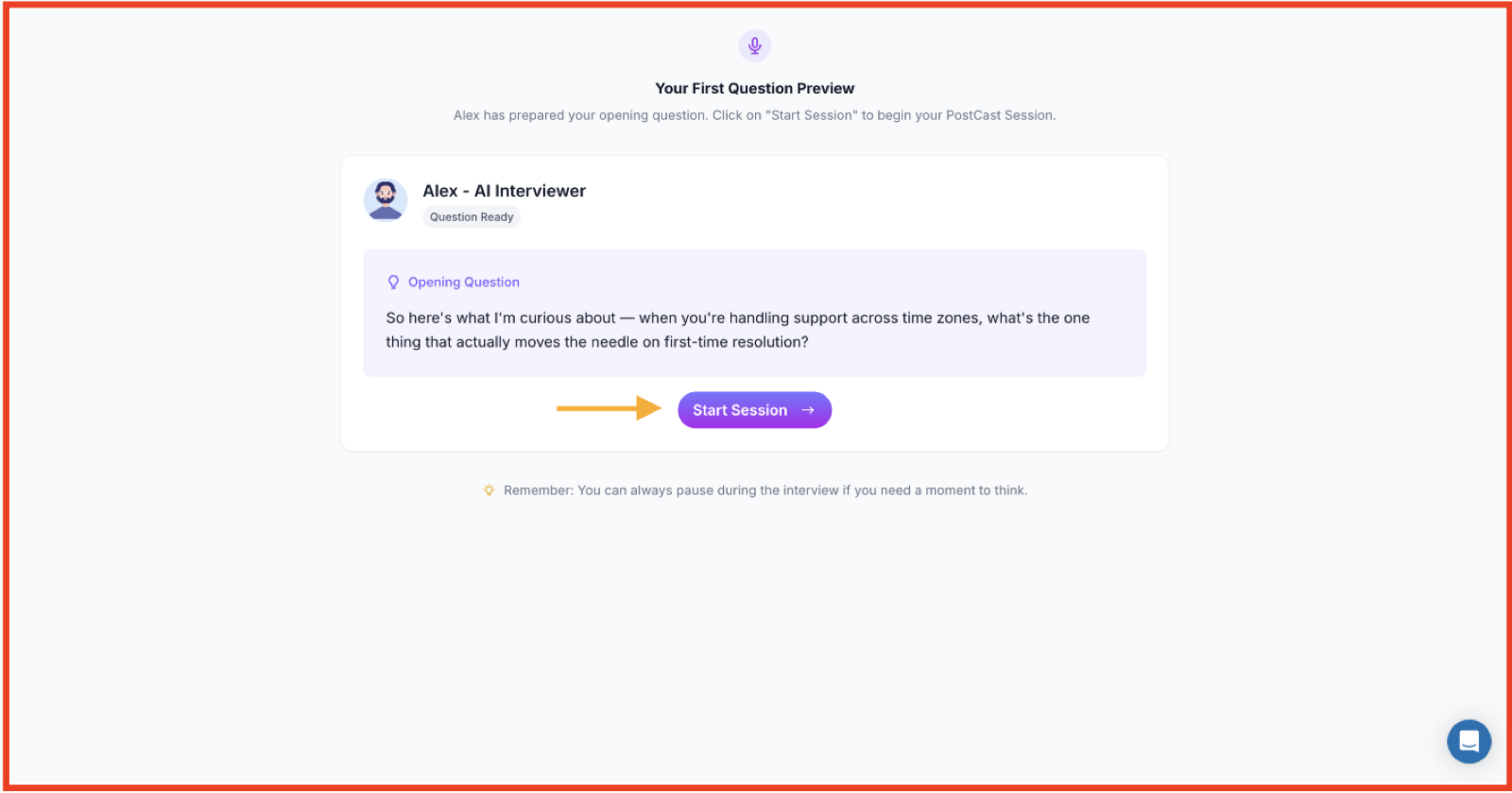
15 minutes of talking gives you a week of posts. Each session generates three drafts in the leader's own voice, and you can keep generating more from the same conversation.
This solves a pain I hear constantly from the people running these programs.
As one put it, "I have the post all ready for them, and then they have to do it, and they're not doing it."
The interview flips that. The leader isn't sitting on a finished draft they can't bring themselves to publish. They're just talking, and the post comes out of it.
Run it as a simple three-step loop you own as the manager:
- Set the questions. Prompt them from experience, not theory. "What's a mistake everyone in our space is making?" "Tell me about a deal that changed how you think." "What did you believe five years ago that you've dropped since?"
- Push the interview. Send it once. The leader records their fifteen minutes whenever it suits them.
- Shape the drafts. The posts come back in their voice. You tighten, they approve.
The worry that this becomes another thing nobody keeps up with is mostly unfounded. In structured programs, participation is at nearly 53%, with only 3.6% opting out.
3. Keep The Executive In Final Control
The distrust I named earlier is the quiet fear: a leader who has never posted worries that something will go out under their name that they never really signed off on. Control is what dissolves that fear. Nothing publishes until they say so.
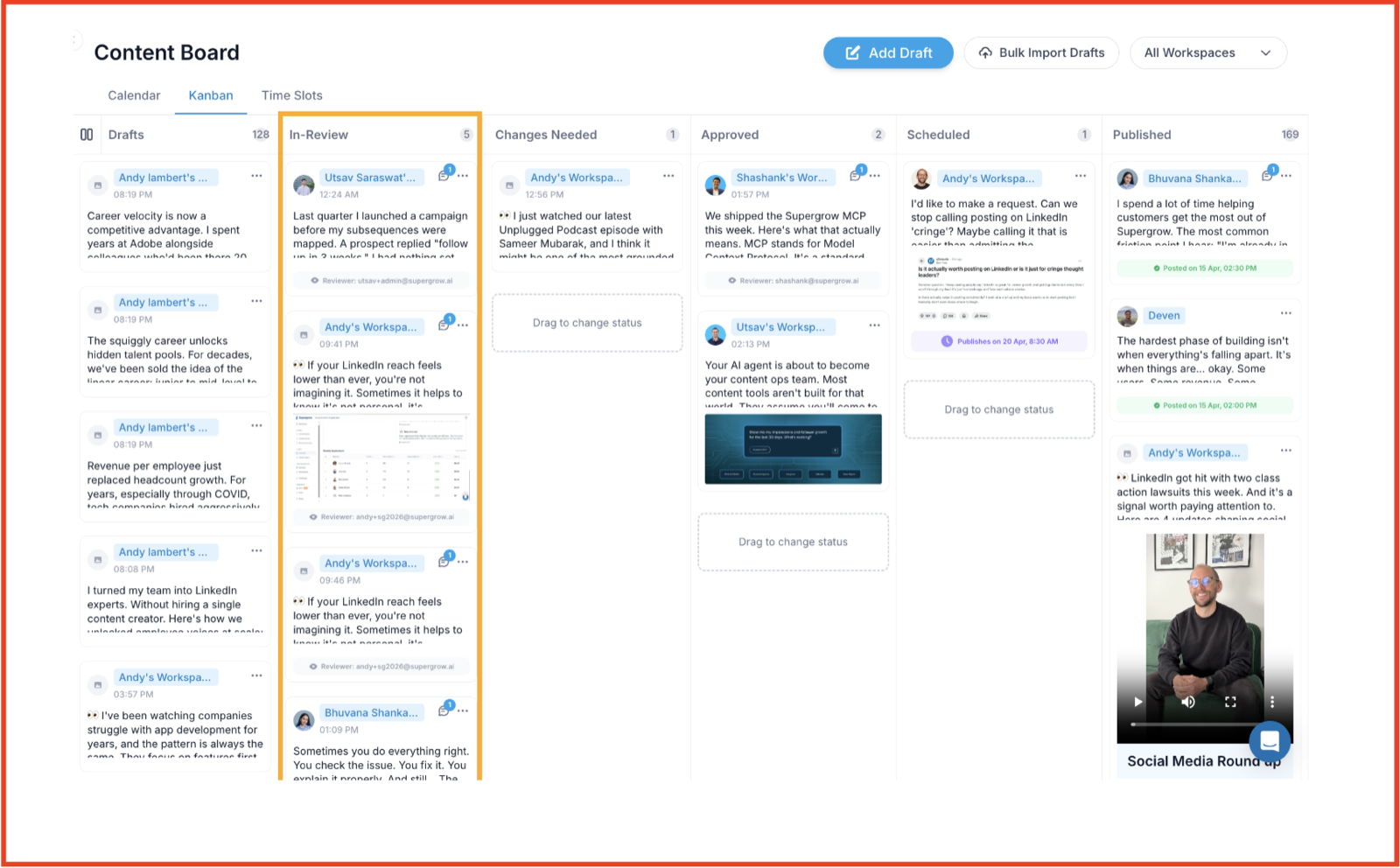
This is where the workflow matters more than any single feature. Inside Supergrow, every draft moves through a clear path you can show the leader up front:
- Draft the post from their interview or writing samples.
- Review it together, with feedback attached to the post itself, not lost in a Slack thread.
- Approval happens on the leader's word, never assumed.
- Publish goes out on their behalf, so they never log in or hand over a password.
That last part solves a headache I hear from anyone managing more than one or two accounts.
As one program manager described her old routine, it was "too disjointed for me to have to log into everybody's LinkedIn and log out and log in and log out."
With Supergrow, leaders connect their own account once via LinkedIn's official access, and you publish on their behalf without ever touching their credentials. It is why 58% of programs now let members self-connect this way rather than sharing logins.
Sell the leader on the path, not the tool. Once they see that approval is theirs and nothing slips out unseen, the biggest reason they held back quietly disappears.
With Supergrow, your leaders never have to log in. They connect once, approve on their own terms, and you handle the rest. Activate a silent leader without the login shuffle.
4. Make The First Post Feel Safe, Not Exposing
Remember the cringe fear from earlier. The way you beat it is not a pep talk. It is giving the executive a first post that already fits inside the program you are running, so they are stepping into a lane the team is in, not out onto a stage alone.
This is the advantage you have as a program manager. You are not asking the leader to invent a personal brand from scratch. You already have content pillars and themes running across the team, and the executive's first post can come straight out of them. They are not doing something new. They are adding their angle to a conversation the company is already having.
Pull their first post from what the program is already publishing:
- A company POV the team is posting on. The exec adds the leadership take on a theme colleagues are already covering, so it reads as depth, not debut.
- A lesson tied to a live program theme. If the team is running customer-win stories, the exec tells the one only they were in the room for.
- A reaction to an industry shift the program is tracking. Low ego, high credibility, and squarely on-message.
Here's what that looks like in practice. A CEO sharing a simple, honest take on how they run the business, no announcement, no spotlight on themselves, just a point of view about the work:
Each of these keeps the leader on the program's turf, where the focus is the work, not themselves. That is what makes the first post feel safe. What belongs in those posts is its own subject, and I cover it in what CEOs should post on LinkedIn.
5. Prove The Content Won't Sound Manufactured
This is the fear that kills more executive drafts than any other. A leader who has never posted assumes anything produced for them will read like the marketing team wearing their name.
It's the worry one enterprise team put to me plainly: that you feed in a topic and "get 10 of the same posts from people," with no thought or variation in tone, just a churn of the same thing. They would rather stay silent than sound like that.
The difference is where the words come from. Generic AI writes around a topic. A captured voice writes from a person.
Supergrow's Content DNA models the leader across five layers: their identity, tone, pillars, positioning, and audience, so drafts carry their actual cadence rather than a polished average. For a blank profile, an admin can build that profile from a short interview before the leader ever logs in.
You can hear the gap. A generic draft opens, "Excited to share some thoughts on the future of our industry."
A voice-captured one opens, "We lost a deal last quarter because we misread what the buyer actually feared. Here's what I got wrong."
Same topic. Only one sounds like a person who was in the room.
It works even when the leader is open about using a tool. Here's a CEO whose recent post was assembled with AI, and it still reads unmistakably as him, because the words and the story are his:
That authenticity is not soft. Employee posts achieve engagement rates of 1.9% to 2.3% of impressions, above brand and paid benchmarks. If you want the full playbook for keeping AI content human, I break it down in AI for employee advocacy.
The fastest way to believe it is to hear their voice come back. Run one leader through a single interview and read the drafts. To see this in action, try Supergrow free for 7 days or book a demo with our team.
6. Start With Engagement Before Original Posts
Not every leader is ready to author a post on day one, and pushing them there too fast is how you lose them. Engagement is the gentler on-ramp. Before they publish anything of their own, they build a presence by reacting to and commenting on other people's posts.
It works because commenting carries almost none of the fear that comes with posting. There is no blank page and no spotlight, just a short, smart reply on someone else's thinking. Even the most recognized leaders do it.
Here's Dharmesh Shah, CTO of HubSpot, doing nothing more than leaving a warm, useful reply on someone else's post:
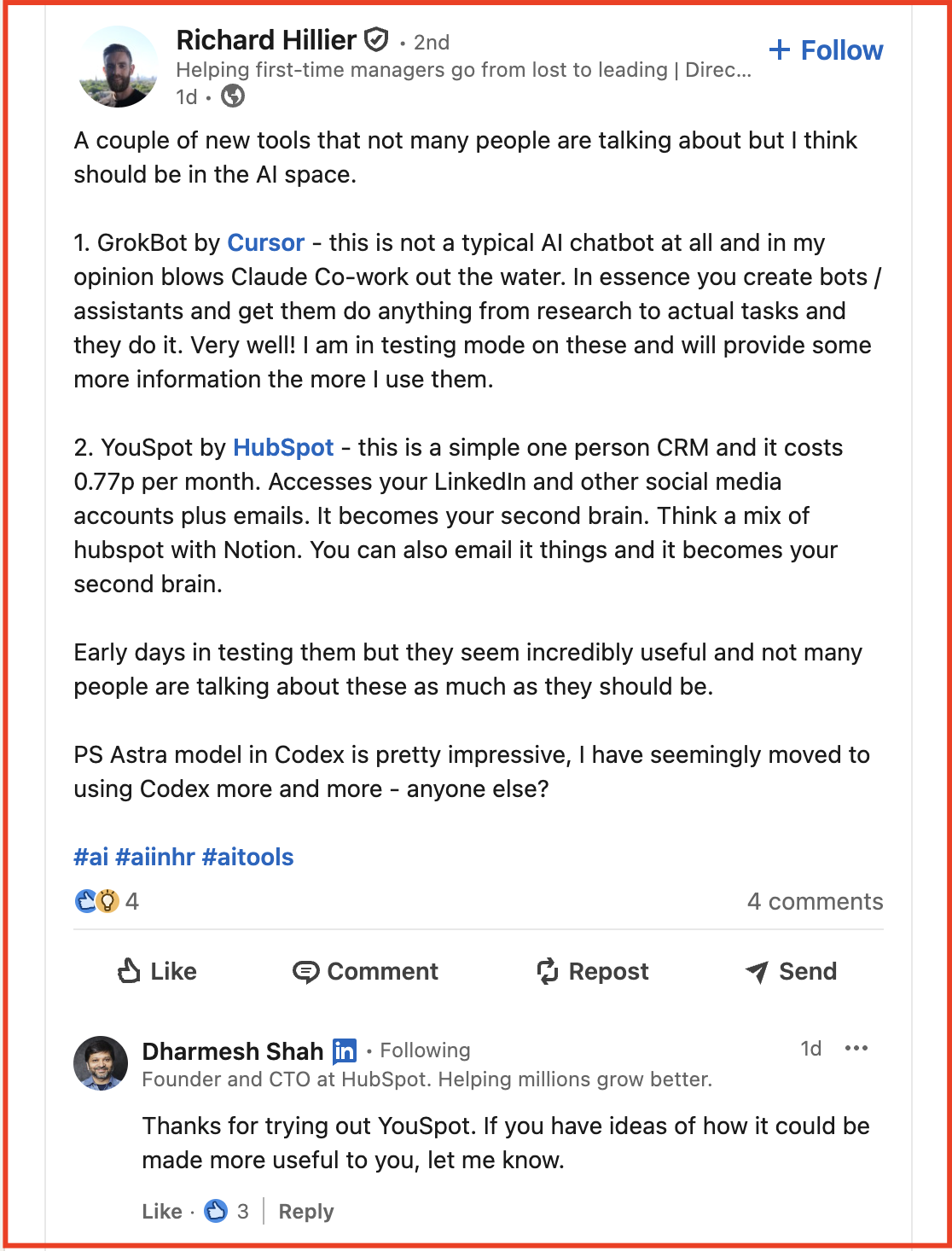
A few weeks of that and your leader is visible, warmed up, and far less daunted by their own first post.
The job here is simple: keep the leader engaging without it becoming another tab they have to manage.
That is what our Engage feature is built for. You give it the voices worth following, peers, customers, a few industry names, and it pulls their posts into one feed. The leader comments right there, with a draft in their own tone if they want it, and never has to open LinkedIn to do it.
5 minutes turns into a habit, and that habit makes the first real post feel like a small next step rather than a leap.
7. Set A Posting Rhythm They Can Actually Keep
The first post is a win, but a single post is not a presence. What kills most newly active leaders is jumping into a pace they can't sustain. They see someone posting daily, try to match it, miss a week, feel behind, and quietly stop.
So set the bar at a level they can actually clear. 2 or 3 posts a week, mapped to the same content pillars the rest of the program runs on, is enough to build momentum without becoming a second job. This is also how you create content at pace without it all sounding forced. Keep it realistic from the start:
- Commit to two or three posts a week, not daily. Enough to stay visible, light enough to keep up when the calendar gets busy.
- Map every post to a program pillar. The leader slots into a rhythm the team already keeps instead of inventing their own.
- Queue a week ahead, not day-of. Approved drafts scheduled in advance survive the weeks when everything else takes over.
This is where a shared post scheduler does the quiet work. Supergrow keeps the leader's approved drafts queued against the program's cadence and publishes them on time, week after week, so consistency happens without anyone having to think about it. That is what turns a first post into a habit.
8. Keep Activation On-Message
This one is for a specific reader. If you work somewhere regulated or brand-sensitive, everything above comes with a condition: nothing goes out that crosses a line. As one enterprise team told me, a lot of what their leaders talk about is highly regulated, so there has to be a lot of guardrails, clear rules on what to talk about and what to leave alone.
Activation doesn't have to mean losing that control.
In Supergrow, each workspace carries its own messaging context, tone guidelines, messaging priorities, and topics to pursue or avoid, and that context shapes every draft before a human ever reviews it. So the guardrails are baked in, not bolted on after the fact.
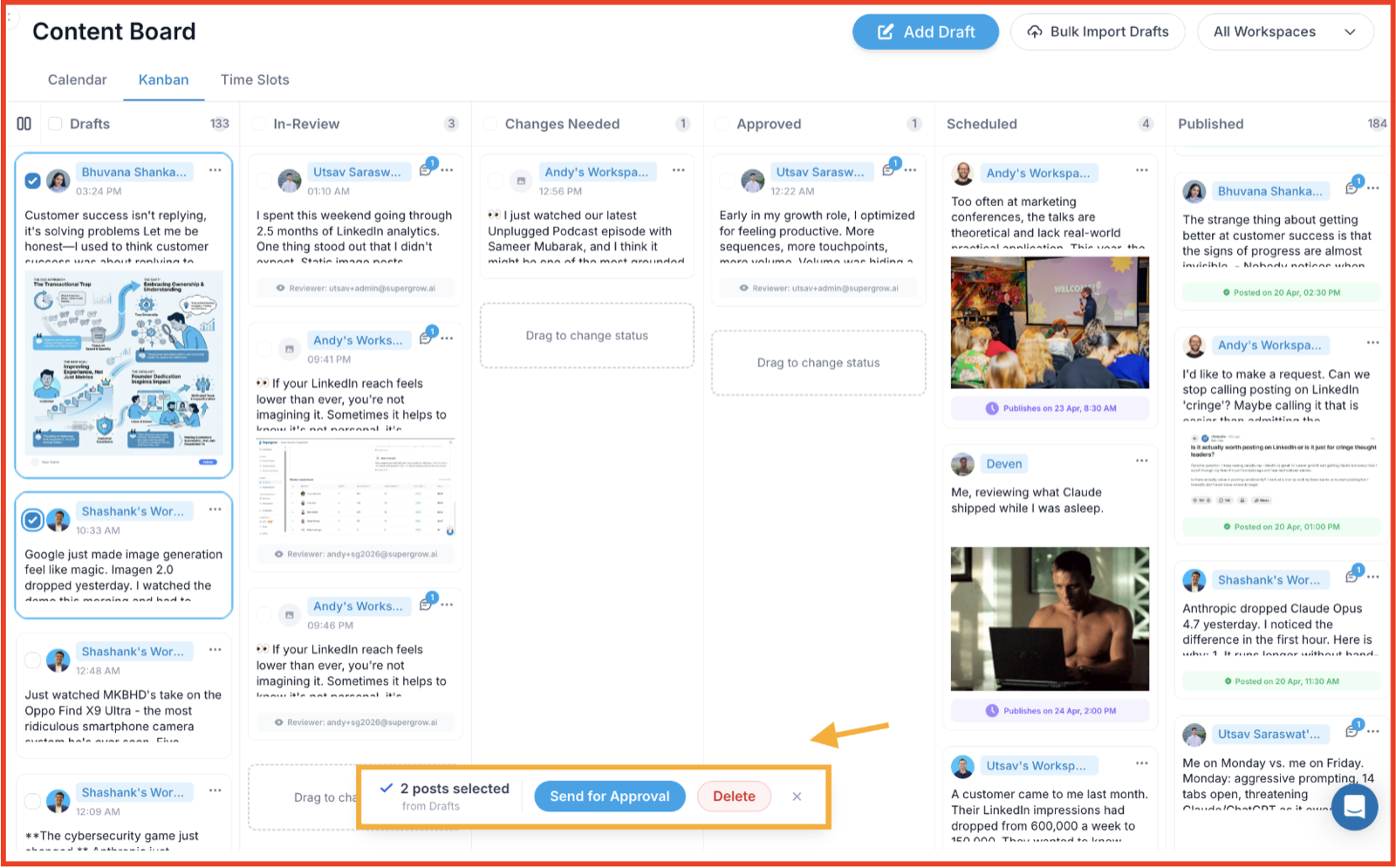
Then the approval workflow adds the human backstop.
You can route drafts through custom chains to comms or legal, and no post reaches the leader's account without sign-off. For a regulated team, that combination is what makes executive activation safe enough to actually green-light.
What Happens When One Silent Executive Finally Starts Posting on LinkedIn
Go back to the leader from the start of this. Empty profile, drafts piling up, nothing going live. Start with what that silence was quietly costing you. A buyer researching your company found no point of view from the people running it, no signal that a real person stood behind the work, and moved on to a competitor whose leadership actually showed up.
Now that same leader is posting in their own voice, and the picture changes:
- Buyers meet a person, not a logo. A searchable point of view builds trust before the first sales conversation.
- The team takes the cue from the top. When leadership posts, permission spreads and more of your people start sharing.
- The whole program gains reach. One credible voice pulls everyone's content further into the feed.
That is the shift you were really after. Not one post, but a leader who has gone from invisible to a presence the market can find, and a program that lifts because the person at the top finally showed up.
This is where Supergrow closes the loop. The same platform that captured their voice and launched the first post now ties each leader's posts to reach and earned media value, so the win is not just a feeling. It is a number you can take back to the team.
Want proof you can show your leadership? See exactly what one activated executive returns. Book a demo
Activate Every Silent Leader: Supergrow as Your Advocacy Engine
A blank profile was never the problem. The voice was always there, in the meetings, the calls, the way your leaders explain the work. What was missing was a way to capture it and get it live without asking a reluctant executive to become a writer.
That is the whole job Supergrow does. It turns leaders who have never posted into the program's strongest voices, keeps them consistent, and shows you what their presence returns. One silent leader at a time, your advocacy program stops waiting on the people at the top and starts running on them.
Start with one leader this week. Activate your first executive for free, or book a demo to see it across your team.