
Most B2B businesses want employees to be active on LinkedIn and use their voices, experiences and perspectives to build reach, trust, and results.
But employee activity rarely translates into influence.
Research into employee-generated content consistently shows that participation depends less on motivation and more on confidence, clarity, and ease of execution. Without that, even the most consistent posting turns into noise rather than a signal.
Employees don't become effective brand ambassadors because they're told to. They do it when showing up online helps them build their own credibility, grow their network, and create real opportunities for themselves.
When that alignment exists, advocacy stops feeling forced and starts compounding naturally.
This guide breaks down what actually needs to be in place to make that shift, from scattered activity to consistent, credible voices that drive both personal growth and business impact.
Why Most B2B Teams Struggle to Build Brand Ambassadors
Advocacy Is Treated as a Marketing Channel, Not a Growth Opportunity
Employee advocacy is often mistaken for a marketing tactic, a way to get "free clicks" from the workforce.
For a culture of advocacy to thrive, the benefits of employee advocacy must be mutual. It is not just about amplifying the company; it is about empowering the individual.
Before introducing tools or content plans, organizations should understand:
-
What employees feel confident sharing?
-
How will employee advocacy help your employees?
-
What feels unclear or unsafe about posting publicly
-
What concerns do they have about visibility or risk?
-
What's their role within the program?
-
How will this help them do their job better?
-
How will it support their next career move?
Without this insight, even well-intentioned initiatives can feel performative or forced.
When businesses frame advocacy as employee enablement rather than employee exploitation, participation shifts from "obligation" to "opportunity." When such conditions are present, your employees automatically represent your culture, not a separate entity.
No Clear Content Direction for Employees
Many employee advocates want to post consistently, but the biggest challenge is creating content. Either they run out of ideas, or everything starts sounding like generic thought leadership that does not really resonate with the audience.
So what they did:
-
Reposted brand announcements with minor caption tweaks
-
Identical messaging across dozens or hundreds of profiles
-
Corporate tone that doesn't match the employee's usual voice
-
Calls to action that feel sales-led ("Check out our latest…")
Such posts lack strong POVs and thus receive lower engagement.
Most companies don't provide a clear content strategy, employees aren't trained to build their own voice, and the only option left is to reshare company posts. In fact, 29% of employee advocates never receive formal training on social media policy, creating a significant gap in authenticity.
Content Creation Feels Like Extra Work
While it may seem easy to start an employee advocacy program by simply asking employees to share content on social media.
The biggest challenge starts right here:
-
"What should I even talk about?"
-
"Is this aligned with the company?"
-
"Will this sound credible?"
Writing can feel like an extra task on an already full calendar. When you sit down to create content with zero plan, no system, and basically just hope, it takes away time, energy, and confidence.
Most employee advocacy programmes fail, not because employees lack interest, but because the environment does not support them.
Consistency and Engagement Are Left to Chance
Most employee advocacy efforts rely on individual motivation to sustain posting.
There's no defined cadence, no structure for what to post next, and no visibility into how often someone should show up. As a result, activity becomes sporadic, posting whenever they feel it.
Without a system, content operates in isolation. Each post is treated as a one-off effort rather than part of a larger narrative. There's no connection between what was said last week and what should be said next. No feedback loop to double down on what worked.
Engagement requires clear behaviours. And compounding only happens when content is treated as a connected system, not a series of disconnected actions. For instance, employees who posted at least three times per week generated 3.2x more reach than those who posted sporadically.
No Link Between Employee Activity and Business Outcomes
Activity is seductive because it's visible, countable, and easy to report. It creates an illusion of momentum.
When there's no structured way to answer, "If employees stopped posting next week, would it change anything?"—you've found activity masquerading as impact.
Employee advocacy is not about getting employees to post more on LinkedIn. It's about enabling them with the right content, clarity, and direction so they can build credibility, start relevant conversations, and create opportunities over time.
Without that foundation, advocacy becomes a series of disconnected actions. Teams stay busy, but the impact remains invisible, and ultimately, negligible.
How B2B Teams Turn Employees Into Brand Ambassadors on LinkedIn
Employee advocacy does not succeed on enthusiasm alone. It requires clarity, structure, incentives, and ongoing support. These twelve practices reflect what consistently works across global deployments.
Give Employees a Clear Personal Benefit to Show Up
To leadership, employee advocacy is brand visibility. To employees, it often feels like unpaid marketing work layered on top of their actual job. Unless those two aren't aligned, the program becomes performative and obligative.
The benefits of participating in the advocate programmes might not be immediate, but participating colleagues will see real perks. Employee advocacy for employees brings:
-
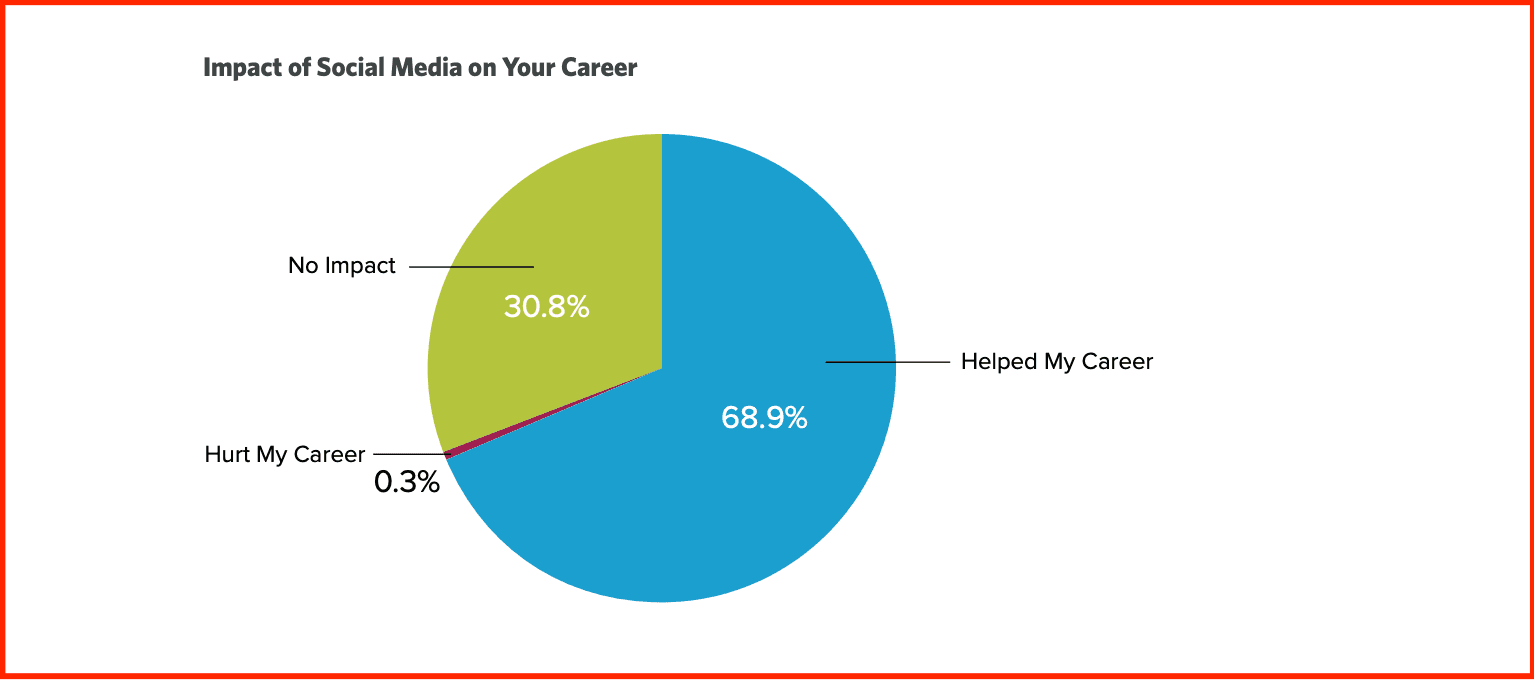
Professional visibility: 68.9% of employees at companies that have implemented an employee advocacy program report a positive impact on their careers.
-
Expanded professional visibility: When employees' insights are shared and discussed in rooms you're not physically part of, it builds credibility at scale. Over time, it opens doors to new peers, partnerships, speaking opportunities, and roles.
-
Personal Branding: Advocacy helps employees establish themselves as thought leaders and subject-matter experts in their fields. You can become a thought leader and an employee influencer, side by side.
To implement a successful employee advocacy program, the employees within your firm must be motivated. After all, they should know why they are being asked to be brand advocates.
Align Advocacy With What Employees Actually Care About
Research on employee-generated content highlights that employees are far more likely to share when content supports their personal credibility and not just company goals. This explains why incentives alone fail. Without clarity and personal value, employee participation remains low.
To make advocacy sustainable, the starting point has to shift from "What do we want employees to say?" to "What do employees naturally want to talk about?"
For example:
-
A sales rep might talk about buyer conversations and objections
-
A designer might share the creative process or inspiration
-
A manager might reflect on leadership lessons
-
A junior employee might document their learning journey
Instead of pushing a strict content agenda, permit employees to define their own "content lanes." A more sustainable approach is to offer simple guidance while leaving room for individual voice.
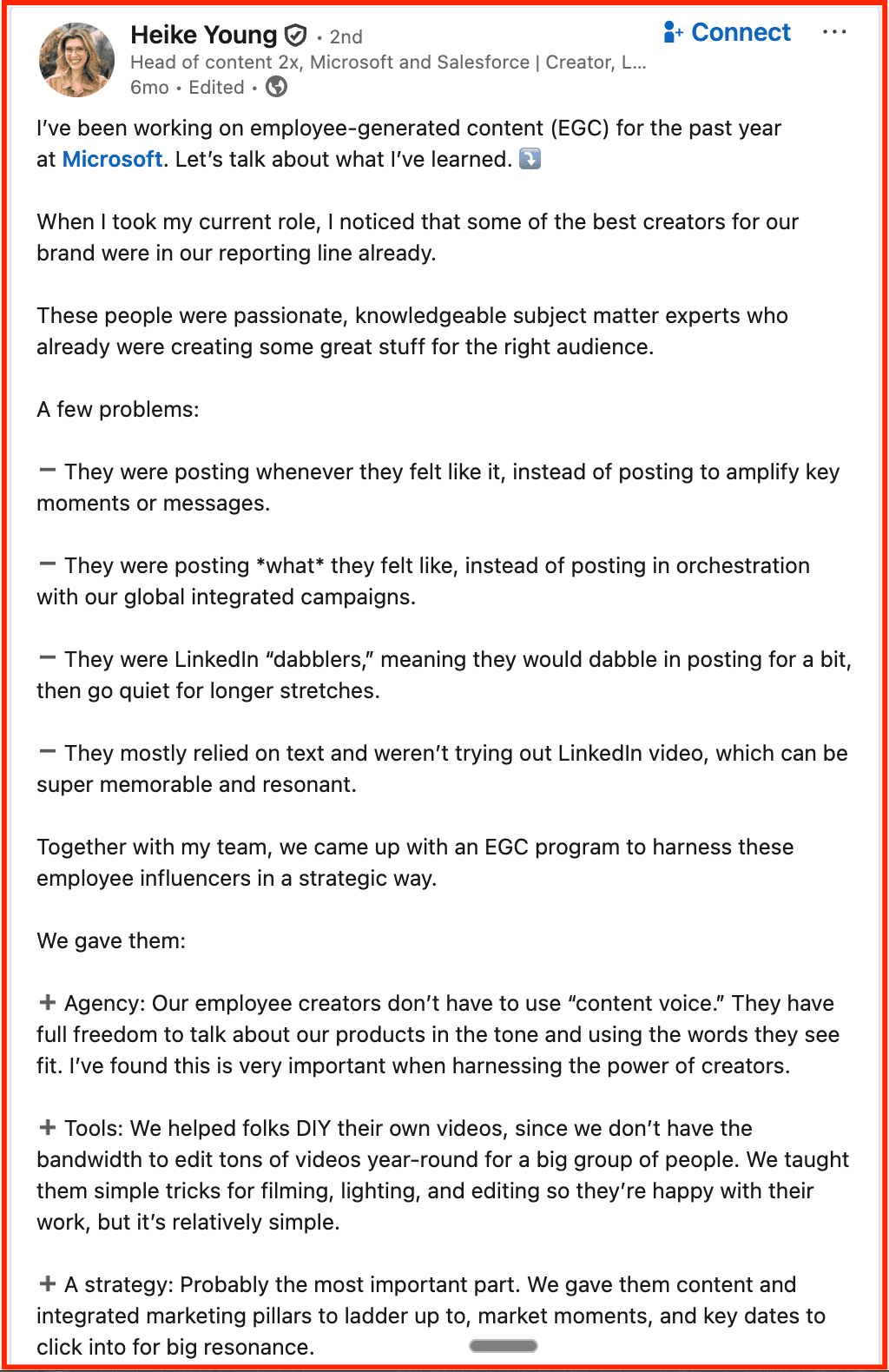
For instance, Heike Young, Head of Content at Microsoft, says that their employee creators have full freedom to talk about their products in the tone and using the words they see fit. Our job is to help them with employee advocacy tools and content strategy.
Advocacy works when employees feel like they are building something for themselves, not just contributing to the company.
Help Employees Find What They Can Be Known For
Your employee's LinkedIn presence is unique; their background, expertise, voice, and audience are all distinct. Creating content that consistently reflects this uniqueness takes effort and strategy.
Content DNA is Supergrow's comprehensive framework that helps users define and maintain their authentic LinkedIn identity. It maps out five interconnected layers, including:
-
Identity Core — The Foundation (Who You Are)
-
Voice Signature — How You Communicate
-
Content Pillars — What You Create
-
Positioning Layer — Your Unique Angle
-
Audience Field — Who You Reach
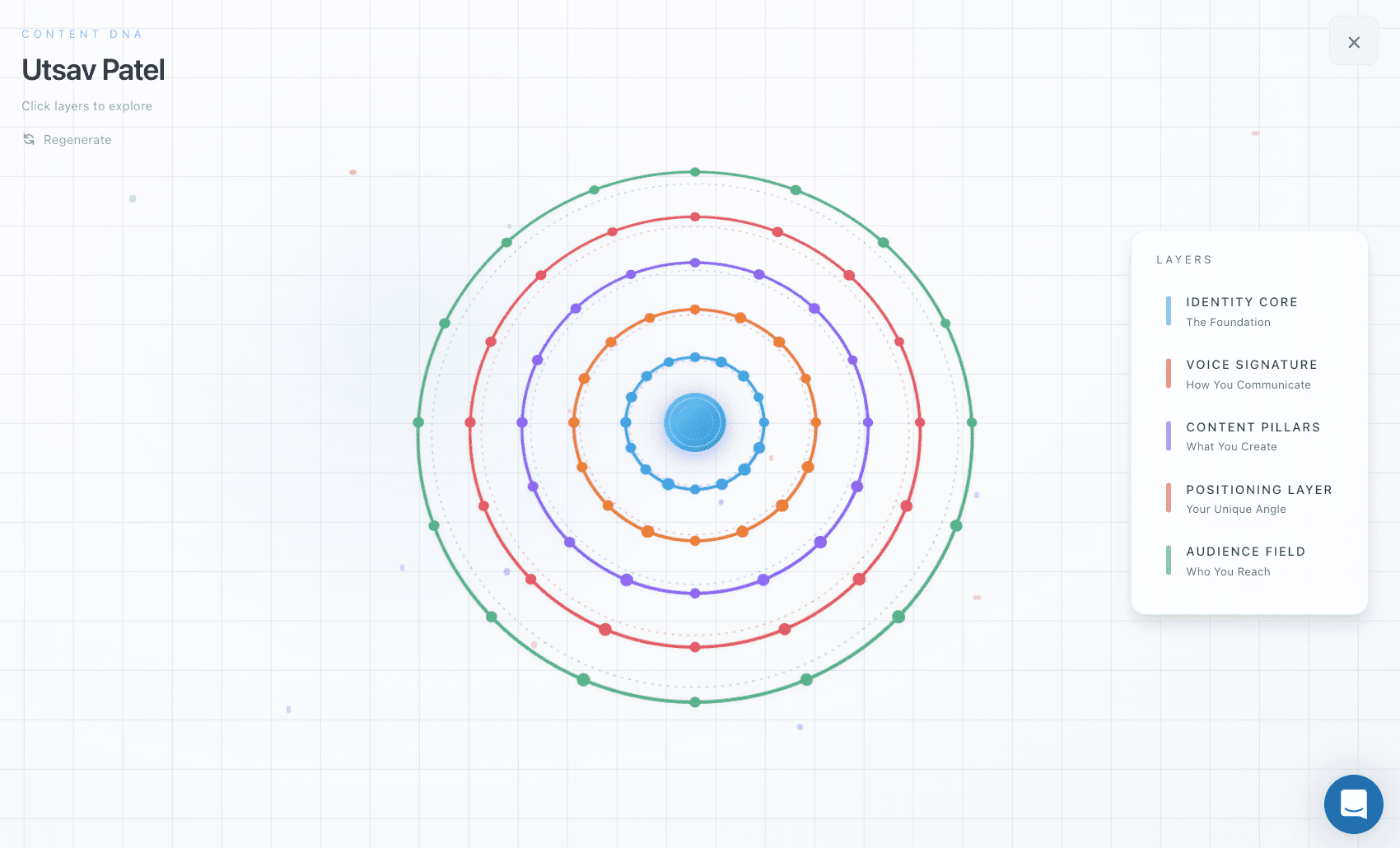
Think of it as your professional identity map; each layer builds on the previous one to create a complete picture of your LinkedIn brand.
Based on this, start with 3-4 core themes per person. These are broad categories into which your content will fall. Further, break these themes into 5-10 sub-topics. These are more specific angles you'll create. Turn each subtopic into 3-5 content ideas. These are the actual posts you'll create.
The best content themes don't just showcase expertise; they address the exact problems your prospects face before they buy. You can map your content pillars according to your buyer's journey stages: problem-aware, solution-aware, and product-aware.
Encourage Expression, Not Brand Messaging
Consumers have gotten really good at spotting brand messaging. They scroll past polished ads, skip sponsored posts and avoid unnecessary brand integration, but show them a real person with opinions, and suddenly everyone pays attention.
When employees talk about their work in their own words, it carries a different weight in corporate communication. These are people who have spent years in the problem space.
-
The Head of Customer Success has heard the same objections on every call
-
The VP of Product who understands buyer anxieties better than most analysts
-
The Sales Director who knows exactly where competitors fall short
Businesses often worry about loss of control, but a greater risk lies in silence or inauthenticity. These people don't need carefully written messaging or rigid tone enforcement.
They can provide deep, credible knowledge that overlaps directly with what your ICP is trying to solve. Allow your employees to show up, commenting on trends, breaking down complex topics, or sharing firsthand experiences to build a visible body of work that demonstrates competence and judgment.
Let your employees' authenticity drive engagement through public proof of expertise and credibility.
Remove the Friction of Creating Content
The hardest part is often starting. Blank page anxiety, clunky scheduling, and not knowing what actually works are the biggest roadblocks to employees' success.
Supergrow is designed to eliminate these pain points, allowing employees to focus on writing posts that align with brand messaging and their individual voice.
Its Content DNA feature lets you build a profile that captures your tone, opinions, vocabulary, and topics you care about. Then, instead of staring at the blank screen, you can join guided conversations with our AI interviewer.
Talk about industry topics, deals you’ve closed, lessons learned — the AI asks smart follow-up questions to draw out the insights worth sharing.
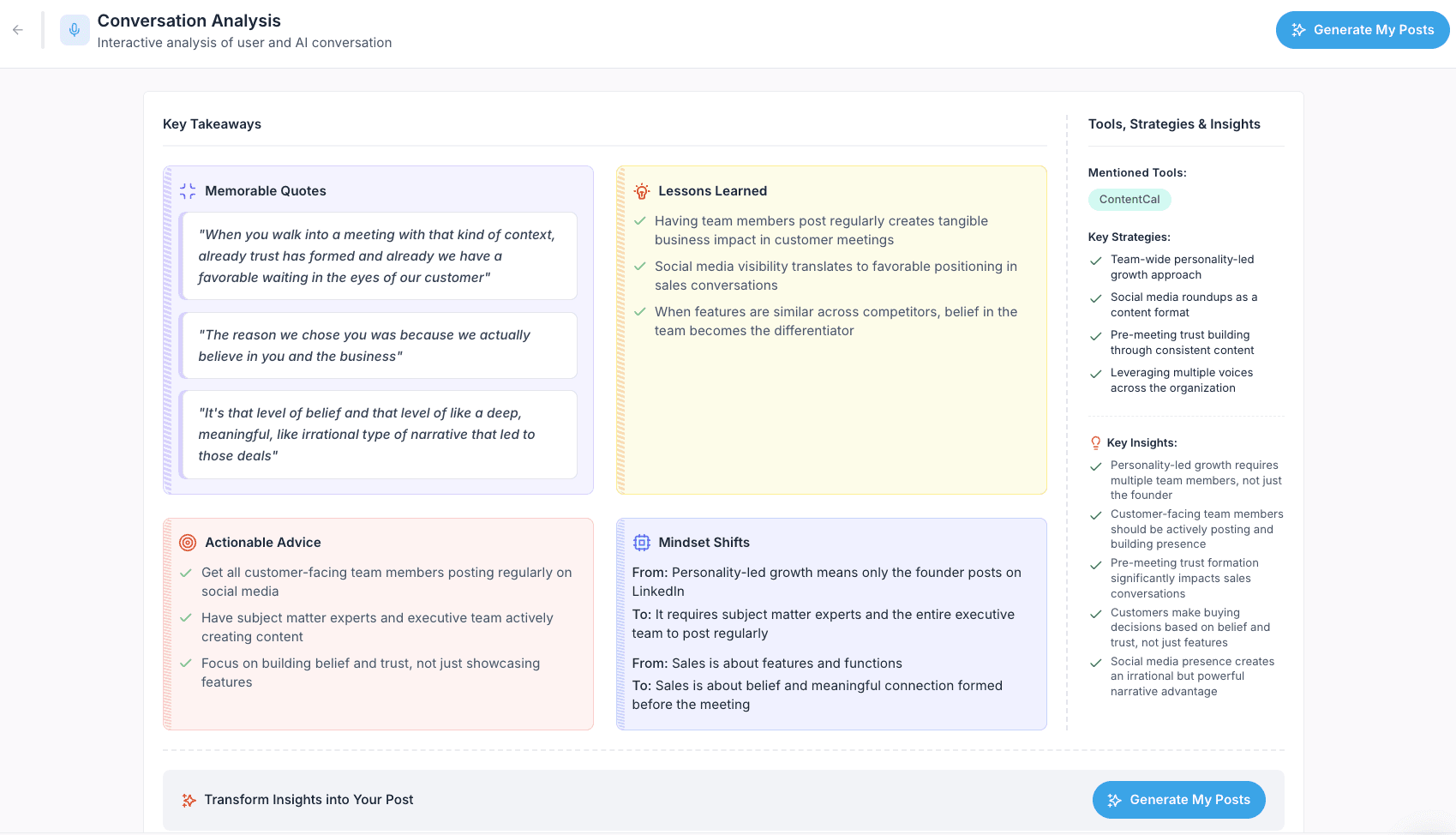
You can further repurpose those ideas into carousels, videos, and visuals, so employees don't have to build them from scratch. This way, you maximize reach across LinkedIn with far less effort.
All content from all team members flows through one content board. So, you can easily see if your post is approved, needs changes or is up for scheduling.
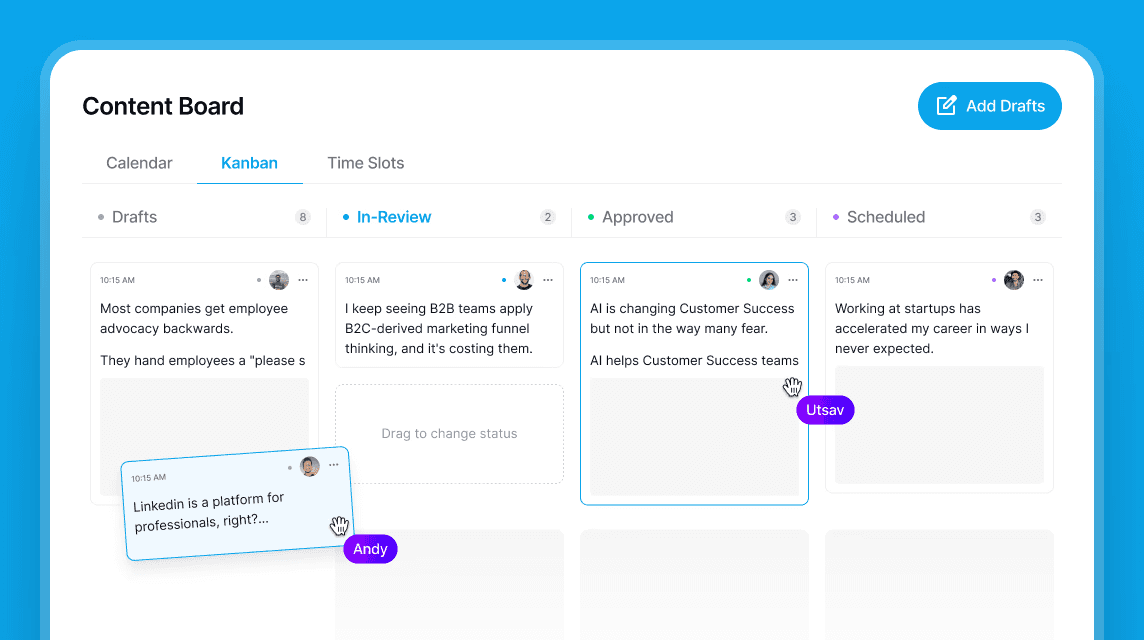
The result? Total coherence across teams and brands that are trying to be consistent on LinkedIn without it becoming another burdensome task.
Provide Training and Confidence Before Expecting Output
Training your employees before and during the launch of your employee advocacy program is crucial to its success.
Well-trained employees are confident in sharing content, know how to represent the brand and understand its messaging.
This is why:
-
Clear context for why the initiative exists, why it matters, and simple first steps to get going.
-
There's a line between personal and professional social accounts, so you must ensure everyone knows what's okay and what isn't.
-
Employees need clarity on what performs well, how the algorithm surfaces content, and why some posts get engagement while others disappear.
-
Share repeatable frameworks to help them structure their post.
-
Repurposing playbooks to help content travel further.
Training helps employees build confidence to post. To reduce their fear of posting, you can run guided posting sessions, hold monthly or quarterly reviews, or celebrate early participation.
Don't forget to let employees know what's in it for them. The last thing employees want is to feel like a free marketing channel.
Recognise and Reward Employees Who Show Up
Research shows that 68% of employees are more likely to create or share content when they are rewarded with perks and benefits.
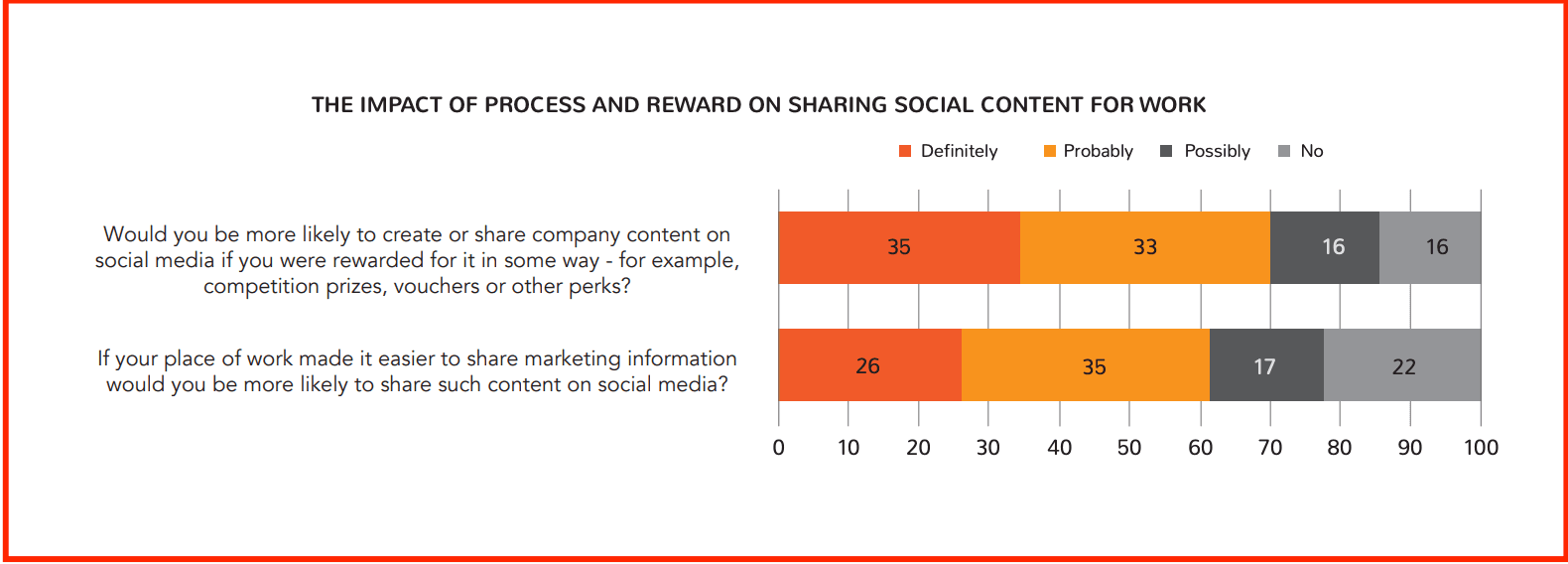
Appreciation and recognition are a daily staple in a solid employee advocacy strategy. Some businesses, like Cold IQ, offer monetary rewards, while others, like HootSuite, provide monthly recognition with prizes.
But many companies struggle to recognise their employees for their efforts. Without proper recognition, your employee advocacy program will begin to fade.
Here's how you can recognize your employee advocates:
-
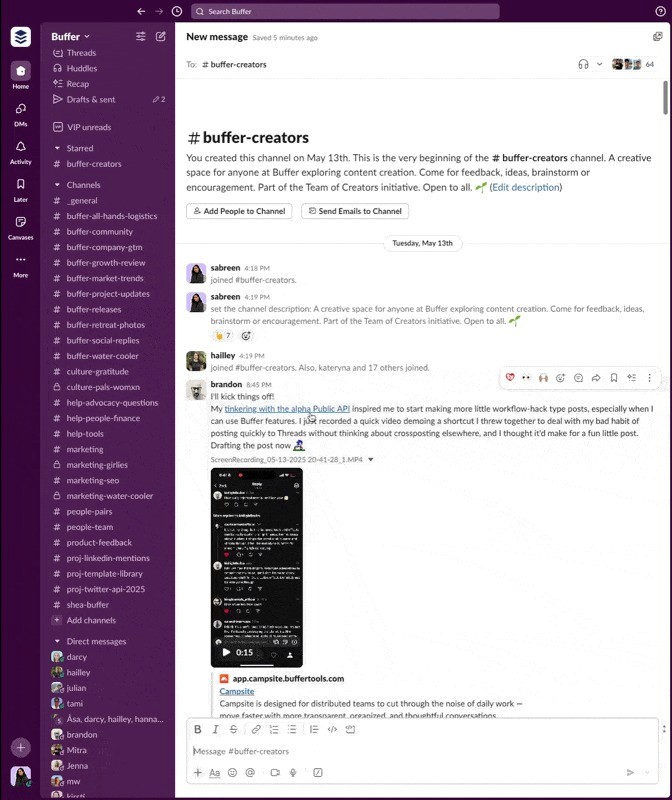
Highlight internal contributors: From the very beginning, keep employee advocacy intentional and set up a Slack channel as an active, working space for recognition. Swap ideas, share wins, ask for feedback, and cheer each other on.
-
Celebrate consistency: Advocacy is built on consistency, so make sure to spotlight creators who consistently post content. This shifts the focus from outcomes people can't control (likes, impressions) to behaviours they can (showing up, sharing, engaging).
-
Close the loop with feedback: Recognition becomes more powerful when paired with feedback. Show employees the impact of their posts, like inbound conversations, referenced between peers or initiated conversions.
Such an accountability mechanism that also sparks idea sharing and sets the tone for the week. Real people support each other as they grow as creators. For instance, Buffer has a dedicated Slack channel to reward and recognise its employees.
Simon Heaton, the Director of Growth Marketing at Buffer, has convinced 66 of 70 employees to become creators by simply encouraging and recognising people for sharing what they're learning and working on in public.
Design Engagement as Part of the Strategy
Most employee advocacy programs over-index on posting and under-index on engagement design. But content alone doesn't create visibility. High engagement should be a priority if you want your advocacy post to expand.
A post with 10 comments will reach far more people than a post with 100 reactions. The algorithm interprets comments as a signal of valuable content worth distributing further.
Ideally, you should comment for 15-60 minutes per day, 3-5 days per week. But, keeping track of whom to engage with can quickly become overwhelming and require hours of manual work. The most effective approach: give each employee a curated shortlist of 15–20 people — customers, prospects, peers — whose posts they should comment on each week. That structure turns a vague habit into a repeatable action.
Whenever you comment on other people's posts, you're "inviting" others to visit your profile. It's the best way to build influence without having to build a large audience.
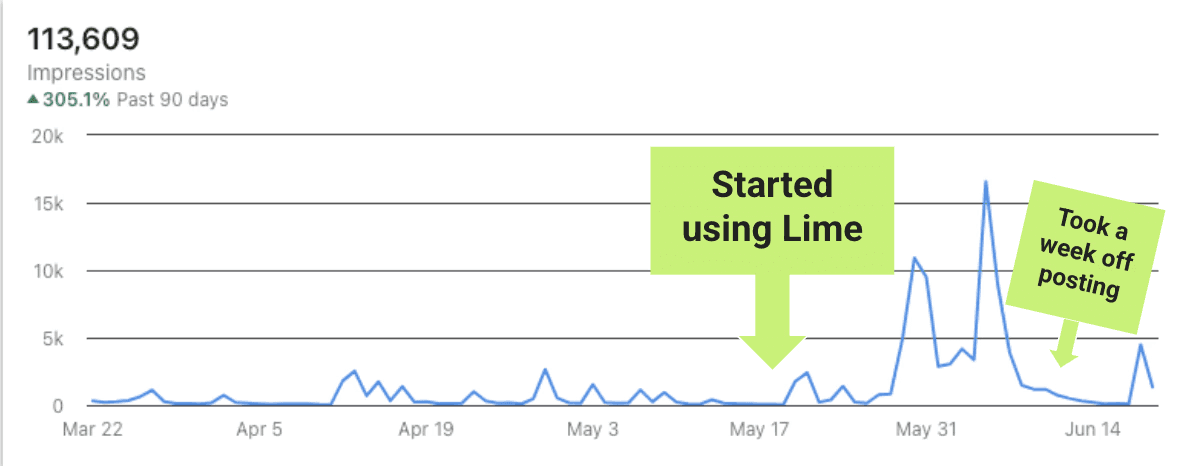
Charlie Hunt, co-founder of The Lime, saw a 305% increase in impressions and a 483% increase in content performance over the past 90 and 28 days through strategic commenting.
Create Clear Safety Guidelines Without Limiting Creativity
Employee advocacy breaks down when businesses encourage employees to post without clear guidelines. A more sustainable approach is to offer simple guidance while leaving room for individual voice.
If you want your employee advocacy program to scale, provide structured guidance through:
-
Pre-approved content templates (like a "Content Buffet" to customize)
-
Dedicated employee advocacy platforms like Supergrow
-
Dashboards for employee impact (to track engagement and celebrate wins)
-
Create a tone of voice doc that defines what your employees can talk about and how to convey it.
-
Light-touch approval workflows (optional for low-risk posts)
Employees don't want to be policed; they want to be empowered through employee advocacy. The best advocacy programs provide guardrails, not cages.
As an organization, your role is to clarify boundaries, not to script messages. This balance avoids two common pitfalls: a feed that feels disconnected from the organization's messaging and one that feels overly promotional.
Connect Employee Activity to Business Outcomes
To prove the ROI of employee advocacy, start by connecting your employee advocacy goals to business results. Track how employee-shared content drives engagement, reach, traffic, and even conversions. Then layer in metrics that show impact across recruitment, retention, and culture.
Start by identifying leading indicators, signals that show early impact:
-
Profile views from target accounts
-
Inbound connection requests from prospects or candidates
-
Content saves and meaningful comments from your ICP
-
Increased engagement from previously unreachable stakeholders
Then, deliberately link visibility to pipeline influence. This doesn't mean forcing attribution on every post, but rather creating a system to observe and connect signals:
-
Are prospects engaging before entering the pipeline?
-
Are sales conversations warmer because of prior content exposure?
-
Are deals influenced by employees who have built visibility with the account?
Over time, patterns emerge. You begin to see that consistent, relevant presence shortens sales cycles, improves conversion quality, and increases inbound opportunities.
When this loop is closed, employee activity is no longer just marketing support; it becomes a strategic growth lever.
Turning Employees into Scalable Growth Engines
Employees become brand ambassadors when advocacy supports their personal growth. After all, employees need to know why they are being asked to be brand advocates.
When organizations focus on enabling employees to post rather than controlling, they naturally become credible advocates. Strong advocacy reduces the friction in getting started and creates a system that supports consistency.
When done right, employee advocacy becomes a scalable, compounding growth channel for B2B teams.
Want to build an employee advocacy program that scales and brings ROI? Sign up on Supergrow now!